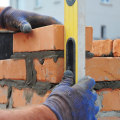
When joints in an older brick wall deteriorate, the proposed mortar deserves as much attention as its color. Repointing replaces failing mortar at the joints. The replacement needs to work with the existing brick and wall construction, especially where older masonry is relatively soft.
Ask how the mortar was selected
The National Park Service discussion of historic mortar explains the role of softer mortar in allowing moisture and salts to move through the joints. An incompatible hard mortar can shift damage toward the masonry units. Ask the contractor how they assessed the existing mortar and brick, and what supports the proposed replacement mix. A bag description alone does not establish that it suits this wall.
Review a small sample area
Agree on a limited test area before work spreads across the elevation. Review the joint profile, texture and appearance when the sample has had time to develop. Ask how the old mortar will be removed while protecting the brick edges, and how the new work will be protected during curing. These details belong in the work description alongside the mix.
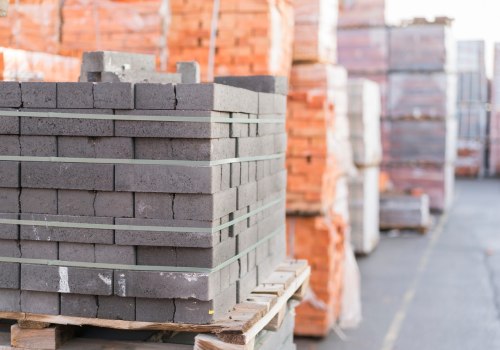
Our guide to different types of bricks provides context for the variety of masonry units a contractor may encounter. For the particular wall, record loose or damaged bricks separately from failed joints. Also discuss any source of persistent wetting. A repointing proposal should make clear what it repairs and what needs separate investigation.