Before Cleaning Older Brick, Agree on a Test Patch and the Desired Result
Agree on a representative cleaning test patch and an appropriate result before treating older brick masonry.
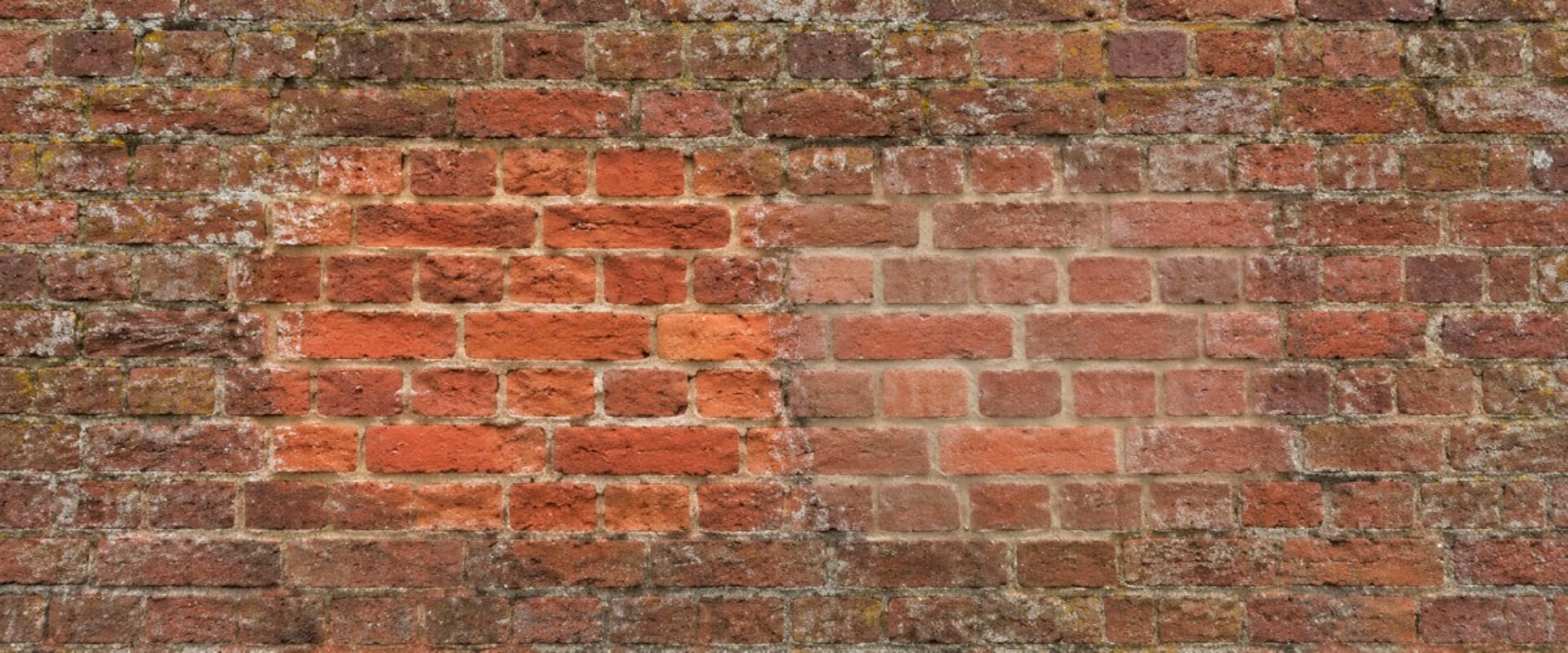
A cleaning proposal for older brick should describe more than a product and a price. Ask how the contractor will test the method and decide what an acceptable result looks like before treating the whole wall.
Start with the material and its condition
The National Park Service's masonry cleaning brief recommends identifying the masonry, soiling and condition before selecting a cleaning approach. Testing should start with the gentlest method. Trying to make an older building look brand new can lead to unnecessarily harsh treatment.
Ask a qualified masonry or conservation professional to distinguish dirt from surface deterioration. Record areas requiring further assessment instead of treating every discoloration as the same cleaning problem.
Make the test representative
NPS advises testing different materials and finishes separately and evaluating the result after the masonry has dried. A successful test patch should be protected as a comparison standard for the project. Discuss the test location, assessment period and approval process with the specialist.
The written proposal can identify the exact method tested, where it may be used and who approves moving beyond the sample area. Photographs are helpful, but they should accompany the professional's assessment rather than replace it.
Keep cleaning and repair decisions connected
If the wall also needs repointing, discuss the sequence with the masonry contractor. Our article on mortar compatibility in older brickwork explains why repair materials deserve their own review.
Keep the approved sample and scope available while work continues. If conditions differ from those in the test area, stop for reassessment rather than extending the same treatment automatically.